Column · @andrejjrs787
Just How Synthetic Roofing Systems Improve Protection Against Midwest Storms
Anyone who has actually had a home in the Midwest long enough has a storm tale. In the Chicago location, one period can bring sleet that sets overnight, wind gusts that peel at roofing edges, hail storm that contusions tiles, and summer season warm that cooks every little thing completely dry before the next round of rain arrives. Roofing in this area is not an aesthetic choice initially. It is an efficiency decision.
That is where synthetic roof have earned genuine interest. For homeowners that want more than the basic life expectancy and appearance of typical asphalt, modern-day artificial products provide a different strategy to protection. They are developed to resemble premium materials such as slate, cedar shake, or tile while addressing several of the weaknesses those materials can present in freeze-thaw climates, hail zones, and high-wind corridors.
This issues a lot more for homes in areas like Chicago, Naperville, and the bordering residential areas, where roof covering assemblies are examined consistently, not every so often. A roofing system may encounter wind-driven rainfall in April, hailstorm in June, moist warmth in August, and ice dams in January. A product that looks excellent in a showroom may not hold up the same way after ten years of Midwest climate direct exposure. The sensible concern is less complex: when the weather condition https://elliottaksu605.rivertonbrief.com/posts/exactly-how-artificial-roofing-installers-prepare-residences-for-year-round-exposure turns harsh, what offers a home the best chance to remain dry, safe, and structurally protected?
For lots of house owners, particularly those weighing a synthetic roofing substitute, the response progressively directs towards building synthetic roofing and various other costs artificial roofing options.
Why Midwest storms are so hard on roofs
Midwest climate is not just serious, it is differed. That combination is what wears roofs down. In seaside areas, roofing selections frequently revolve around salt air and typhoon patterns. In the Southwest, the focus is UV resistance and thermal development. In the Midwest, roofing system systems have to manage nearly everything.
Hail is the most noticeable concern. Even modest hail storm can reduce the life of a traditional roof covering by knocking granules loose, creating soft bruises, and exposing the roof shingles mat under. Sometimes the damages is dramatic and simple to spot. Equally as usually, it is refined. A roof can look acceptable from the ground and still be jeopardized enough to fail years early.
Wind is just as destructive, though it frequently works a lot more silently. Repetitive gusts move tile tabs, tension fastener places, and make use of weak securing factors near ridges, hips, valleys, and eaves. When wind gets under a susceptible section, water normally follows.
Then there is the freeze-thaw cycle, a familiar opponent in north Illinois. Water enters a small gap, temperatures decline, ice expands, and the opening obtains bigger. That procedure can duplicate dozens of times in one wintertime. Add snow load, ice damming, and clogged up water drainage courses, and also a decent-looking roof covering can begin leaking around penetrations and transitions.
Heat needs to not be neglected either. Summer temperature levels in the Midwest may not match the desert, yet attic warm build-up, UV direct exposure, and duplicated thermal movement take a constant toll. Products end up being breakable, sealants fatigue, and blinking details age much faster than many homeowners expect.
A roof in this atmosphere needs greater than surface longevity. It requires impact resistance, wind security, dependable water dropping, and lasting dimensional uniformity. That is exactly why artificial roofing systems have actually become much more common on both high-end custom constructs and daily residences.
What makes artificial roofing different
The term synthetic roofing systems covers a variety of items, but the majority of premium systems are engineered from advanced polymer composites, recycled materials, or exclusive blends created to duplicate the appearance of cedar shake, slate, or tile. The essential distinction is that these products are not trying to be all-natural products in every respect. They are trying to supply the appearance of those materials while addressing their vulnerabilities.
Natural slate is lovely and sturdy, however it is hefty, expensive to mount, and can crack under influence. Cedar shake has heat and personality, but it needs maintenance and is prone to moisture problems over time. Clay and concrete tile carry their very own benefits, however weight and damage can be worries, especially in climates with freeze-thaw stress.
Synthetic roof tiles and panels are built to lower those disadvantages. Many are lighter than all-natural alternatives, much easier to manage throughout artificial roofing system installation, and extra durable under hailstorm influence. They additionally have a tendency to offer more consistent production resistances, which aids with fit, placement, and water management across the roof plane.
That lighter weight has a sensible benefit lots of home owners miss out on at first. A lighter roofing can typically be set up without the structural reinforcement that some natural materials need. On an older Chicagoland home, that can imply preventing significant framing alterations simply to support the roof upgrade. When a synthetic roofer reviews an existing home, this usually enters into the value discussion extremely quickly.
Impact resistance is greater than an advertising term
Storm protection starts with impact efficiency. In the field, the distinction between a roofing that disregards hail and one that takes hidden damage can be considerable. Not every artificial item is equivalent, yet many superior artificial roofing systems are made and checked for strong influence resistance relative to conventional asphalt products and some natural materials.
That matters since hailstorm damage is not constantly a slit. More frequently, it is cumulative trauma. A roofing obtains struck continuously, the surface area loses safety product, microfractures establish, and the roofing becomes more prone to water breach and UV degradation. An artificial product with far better effect resistance can minimize that cascade.
I have seen situations where neighboring homes took the very same tornado, yet one roof required partial or full substitute while the artificial system next door came via with small aesthetic wear. That does not indicate synthetic roofs are indestructible. Absolutely nothing on the exterior of a home is. Yet a roofing that resists bruising, fracturing, and fragmentation under usual Midwest hail storm occasions offers the property owner a much better beginning factor after the storm passes.
For homes with complicated roofing geometry, dormers, valleys, and steep areas, that toughness ends up being much more useful. These locations often capture wind and come from multiple angles. A durable system carries out not simply on wide open planes, yet at the details where storm damage usually begins.
Wind efficiency depends upon the system, not just the shingle
Homeowners occasionally go shopping roofing products as though the noticeable product alone establishes sturdiness. In method, wind resistance relies on the whole setting up. That includes underlayment, starter courses, ridge information, flashing, fastener positioning, deck condition, air flow style, and installment quality.
A costs artificial roof item can be an outstanding option, but it still needs proper setup from seasoned artificial roofing installers. This is one location where the role of a certified synthetic roof covering company matters as long as the product selection itself.
Wind generally manipulates weak edges first. Improperly secured perimeter information, shortcuts at rake sides, and improperly set up starter strips can allow uplift to begin. Once that happens, damage increases quick. A well-installed artificial roofing system normally take advantage of precise production and consistent attachment patterns, which can assist contractors achieve a tighter, extra reputable roofing system covering.
In the Chicago region, where solid straight-line winds and thunderstorm fronts are common, I would take an installer with a disciplined procedure over a bargain crew every time. A seasoned synthetic roofing contractor Chicagoland homeowners trust will certainly pay attention to shifts, revealed locations, and exactly how regional code requirements connect with maker specifications.
This is also why fixing background matters. A roofing system that has actually seen several area repairs over the years may have mismatched products, uneven fastening, and abject substratum areas. In those situations, an artificial roofing substitute is typically the smarter relocate than remaining to spot a roof that no longer behaves as a linked system.
Water monitoring boosts when products stay stable
Storm protection is not just regarding enduring the influence event. It is additionally about what takes place after the roofing gets wet, cool, hot, and damp once again. Products that warp, split, take in excessive moisture, or come to be brittle can jeopardize the water-shedding feature of the roof over time.
Many synthetic roof are designed for dimensional stability. That suggests they are less likely to split or misshape the way some typical materials can when repetitively exposed to temperature swings and wetness. In practical terms, that helps protect the tight overlaps and positioning that keep water relocating downhill and far from the deck.
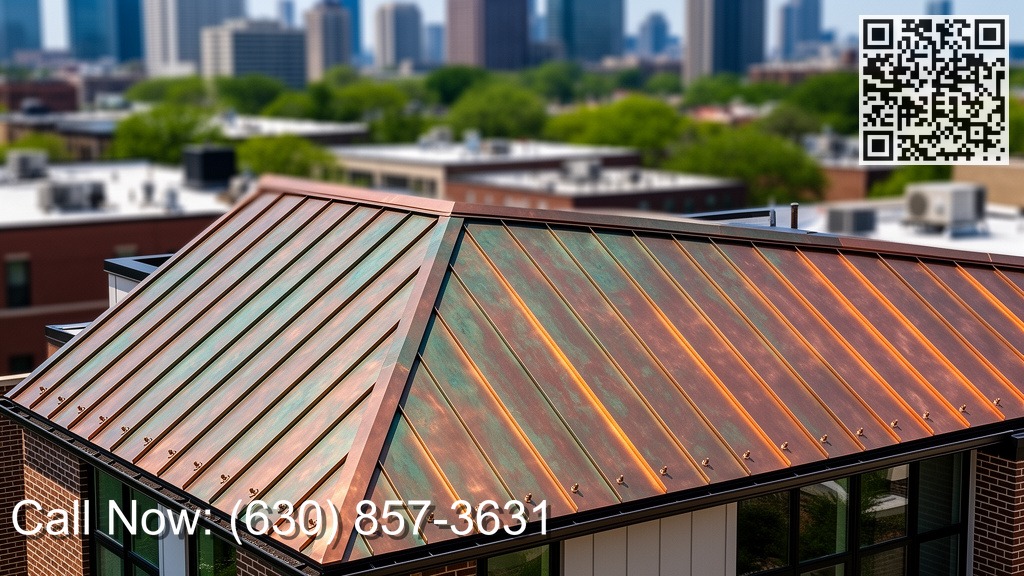
The Midwest presents a persistent combination of rain, melting snow, and wind-driven wetness. Water does not always drop nicely directly down. It obtains pushed sidewards, blown upslope, and forced into at risk roof details. Secure roofing materials, paired with quality underlayments and blinking, help reduce the threat that those conditions become indoor leaks.
Ice dam conditions are an additional issue. Synthetic roof covering is not a cure for bad attic room insulation or bad ventilation, however a well-designed artificial roof setup can function as part of a stronger general dampness protection. When the roofing covering, underlayment, and edge details are effectively incorporated, the setting up stands a much better chance of standing up to back-up water at eaves and valleys.
The weight advantage is particularly beneficial on older homes
In many Midwest neighborhoods, real estate stock covers years. It is common to find homes constructed when roof covering loads, ventilation assumptions, and mounting methods were very different from present requirements. That makes roof product weight a significant factor.
Natural slate and tile can be phenomenal roof products, but their dead load is considerable. On a newer custom-made home engineered for that weight, not a problem. On an older home with uncertain framework modifications throughout the years, it comes to be a more complicated conversation.
Architectural synthetic roofing gives home owners a means to pursue the look of slate or shake without adding the same architectural concern. For household artificial roofing in well-known neighborhoods, this can be a sensible happy medium between appearance and architectural prudence.
That is one factor synthetic roof for high-end homes has grown. Owners of high-end properties frequently want the aesthetic splendor of conventional products, but they likewise want contemporary performance, simpler logistics, and much less disruption throughout installation. Synthetic products can please both objectives when selected carefully.
Appearance issues, but realistic look varies by product
Not all synthetic roof coverings look similarly convincing. Some premium lines record the deepness, darkness lines, and variant of natural products extremely well. Others still have a flatter, even more manufactured look, especially in extreme noon light or on simpler roof shapes.
For property owners concerned about curb appeal, this deserves seeing face to face. Examples assist, yet set up tasks level. A reputable artificial roofer should be able to reveal finished homes, review exactly how color mixes climate in time, and clarify which accounts suit the design of the house.
On huge homes with steep pitches, noticeable front altitudes, or deluxe outlining, the most effective costs synthetic roofing items can be extremely influential aesthetically. They frequently look much more refined than standard laminated asphalt while staying clear of the frailty or maintenance problem of genuine timber or stone.
That stated, judgment matters. A historic home may gain from a much more conventional account and muted shade variant. A newer transitional or custom-made home might take care of crisper lines and bolder shadow impacts. Great roofing selections appreciate the architecture first.
Where synthetic roofing makes the most sense
Synthetic roof covering is not automatically the right solution for every house. Budget plan, style goals, area context, and the problem of the existing framework all shape the decision. Still, there are certain situations where these systems often tend to shine.
- Homes in hail-prone and high-wind locations that require stronger storm resilience
- Properties where the owner wants a slate or cedar look without the weight of natural materials
- Older homes that may not be perfect candidates for hefty roofing systems
- Luxury homes where appearance and lasting efficiency both matter
- Roof replacements where duplicated repairs have actually already confirmed uneconomical
In markets such as artificial roof Chicago tasks or artificial roof Naperville IL setups, these scenarios show up often. House owners are balancing weather condition direct exposure with visual appeals, and they want a roof that does not need constant attention after every significant tornado cell moves through.
Installation top quality is where efficiency is won or lost
The ideal product on the planet can fall short if the team cuts edges. This is not distinct to synthetic roof covering shingles, yet the factor deserves stressing because costs materials produce high assumptions. A roof system only shields a home as well as it is thorough and installed.
Experienced artificial roof installers recognize the peculiarities of specialized products. They recognize exactly how maker requirements differ, exactly how bolt placements impact performance, just how accessory items ought to incorporate, and where leakage dangers are most likely to arise on complicated roof lines.
When reviewing an artificial roof covering business, home owners should look beyond sales language. Ask how commonly the crew installs this certain product. Ask that deals with flashing job around chimneys, skylights, and wall surface crossways. Ask whether the deck will certainly be checked for soft spots or moisture damage before installment proceeds. Ask how ventilation and underlayment selections will be addressed, not simply whether the visible roof material is premium.
A mindful professional likewise handles sequencing around weather condition. Midwest roof work can be disrupted by surprise electrical storms and high winds. Protecting the exposed deck, staging products properly, and keeping penetrations watertight during setup are indicators of professionalism and trust that issue more than shiny brochures.
Cost, life-span, and the actual value equation
Synthetic roof typically costs more upfront than basic asphalt roof shingles. There is no sincere way around that. Property owners must expect a greater preliminary investment, especially with premium profiles and complicated installations.
But the value equation is wider than initial price. A roofing that far better stands up to hail, wind, and moisture intrusion may decrease repair service regularity, expand replacement cycles, and protect interiors extra dependably throughout extreme climate. On higher-value homes, preserving appearance and decreasing storm-related disturbance can be worth a good deal as well.
Insurance factors to consider differ, and home owners ought to confirm specifics with their carrier, but impact-resistant products are usually part of the conversation in storm-prone areas. Even when insurance financial savings are modest or irregular, the practical benefit of a more durable roofing remains.
The largest mistake I see is comparing roof covering proposals simply by square-foot cost without considering setting up high quality, tornado efficiency, and the price of future frustrations. Cheap roof covering commonly ends up being pricey at the first significant weather event.
Questions worth asking prior to picking a system
Before devoting to an artificial roof covering substitute, house owners ought to press for clear, project-specific responses. Great specialists welcome that degree of examination because it helps straighten expectations and avoids surprises later.
- How does this product perform in hail, wind, and freeze-thaw problems usual to our area?
- Will the existing roof covering deck or framework require repair services or support prior to installation?
- What underlayment and flashing information are included in the system price?
- How carefully does this product resemble natural slate, cedar, or tile once installed?
- What maintenance and assessment timetable do you suggest after significant storms?
Those inquiries often tend to separate real specialists from sales groups that simply added synthetic roofings to a broader menu.
Why Midwest homeowners keep moving in this direction
There is a factor more homeowners are asking about residential artificial roofing now than they were a decade earlier. Tornado patterns really feel less forgiving, replacement expenses are greater, and people are much more familiar with just how much damages starts at the roof covering line. At the same time, product high quality has enhanced. The best systems readily available today are far more fine-tuned in both appearance and engineering than earlier generations.
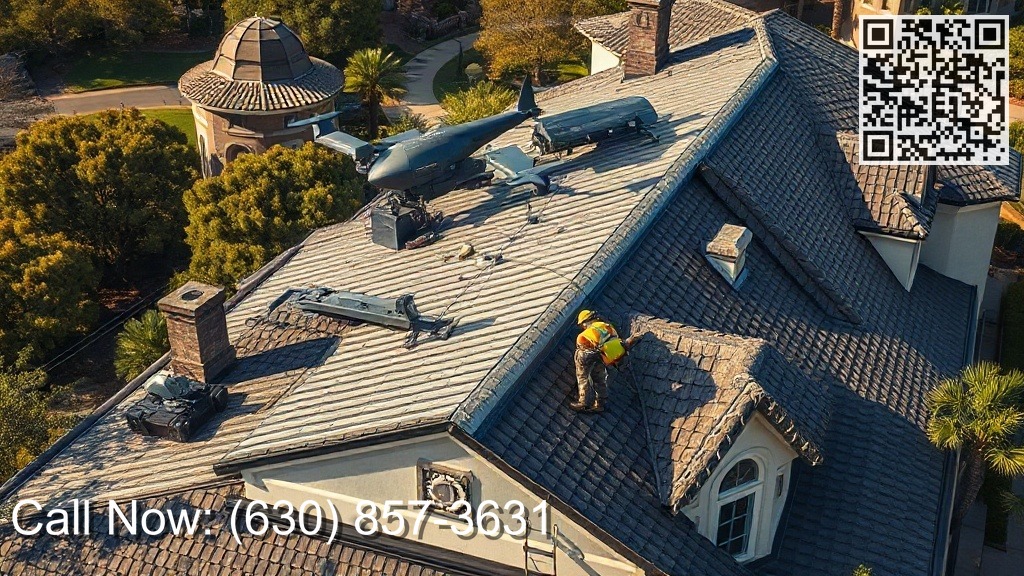
For Midwest homes, specifically in storm-exposed locations around Chicagoland, the appeal is simple. Synthetic roof provide a blend of influence resistance, wind performance, convenient weight, and layout flexibility that fits the area well. They do not remove danger, and they do not change the requirement forever installment, attic performance, and regular evaluation. However they can stack the chances in the home owner's favor.
That is the real factor. When the next hailstorm rolls throughout the neighborhood, when January ice functions its means towards the eaves, or when a summertime squall hits with tough wind and sideways rain, your roof covering does not need to be best. It needs to stay intact, lost water, safeguard the deck, and purchase your home time. The very best synthetic roofing systems are built for precisely that job.
When Quality Matters
Salvo Architectural Roofing Contractors
566 West 5th Ave Naperville, IL 60563
(630) 857-3631
 Ask ChatGPT
 Ask Grok
 Ask Perplexity
 Ask Claude
 Ask Google AI
 Ask You